Pressed the pink box thinking it meant the other team. It did, sort of — but I was on the hook for ₹180, not ₹100. Nobody told me the lay side has a liability.
Vikrant, Nashik

From the other side of the screen
Four readers, four moments a live number meant something other than they thought.
Pressed the pink box thinking it meant the other team. It did, sort of — but I was on the hook for ₹180, not ₹100. Nobody told me the lay side has a liability.
Vikrant, Nashik
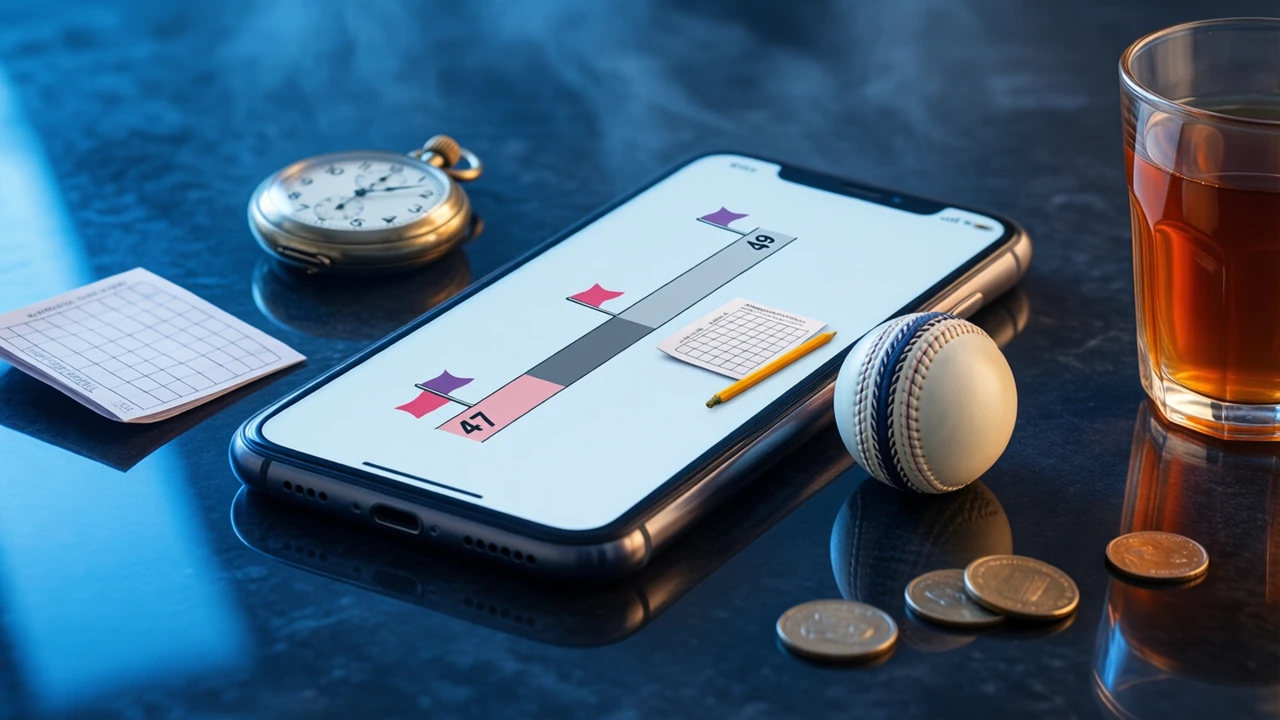
Took Yes at 49 in the powerplay. It finished on 48. The No side lost too, and I spent the evening working out who had won.
Shruti, Jaipur
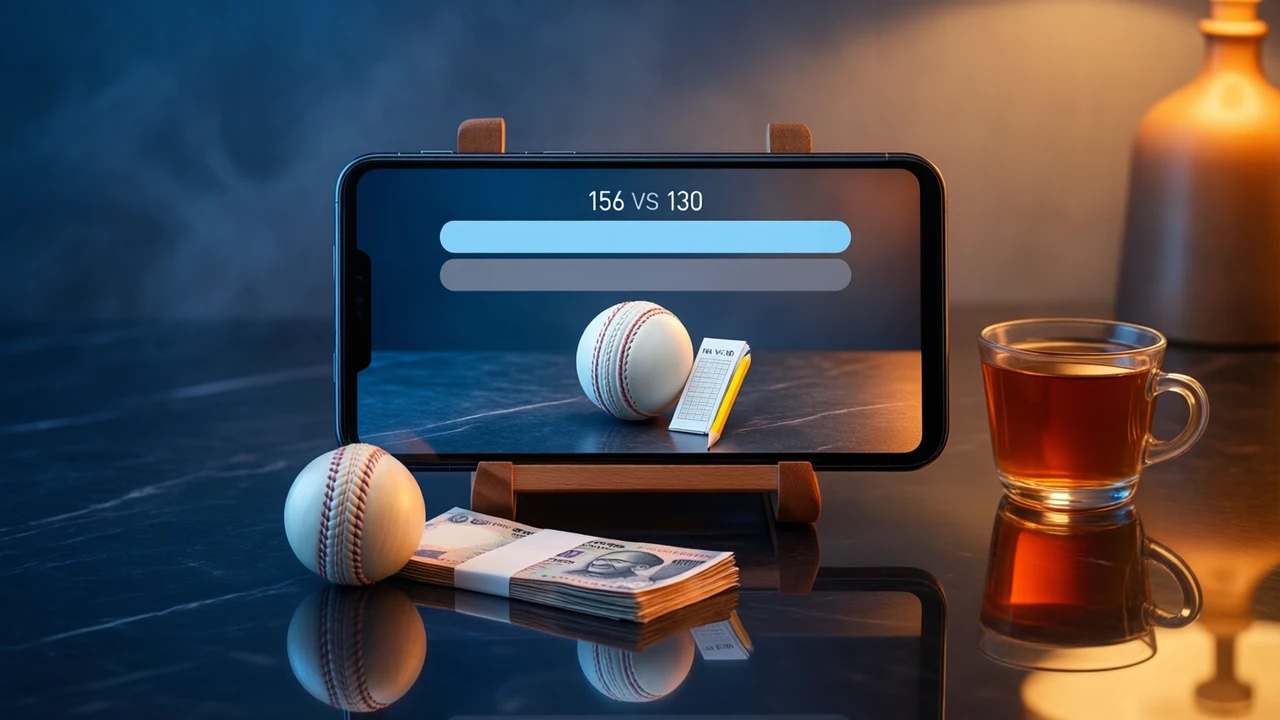
The cash out button offered ₹130 when my own hedge worked out at ₹156. I have not pressed it since without doing the sum first.
Dev, Guwahati
Watched the favourite's rate drop for ten minutes with no wicket and no news. It was just everyone piling in. The match went the other way.
Aarti, Surat
Four sums from this site
Each figure below is worked out in full on the page it comes from.
₹150
at risk when you lay ₹100 at a price of 2.50 — the liability is the stake times the price minus one
2
paise between lagai 80 and khai 82 — the share a middleman keeps for holding both sides
47–48
the gap in a No 47 / Yes 49 session line where both sides lose
₹400
the fixed loss a loss cut locks in on a ₹1,000 back at 1.80 once the price reaches 3.00
Once a match starts, every team on an Indian betting screen carries two numbers, usually in two colours. The left one is the price to back the team. The right one is the price to lay it. That pair is the whole grammar of the live market. Session lines, run bhav, cash out and loss cut are all sentences written in it.
This page gives the back and lay meaning in rupees, not in definitions. Each claim below is worked through with a sum you can check on paper.
Mid-match, two prices on screen
Back means you say it will happen. You risk your stake. If the team wins, you are paid the stake times the price, minus the stake itself.
Lay means you say it will not happen. You take the other side of somebody's back bet. If the team fails to win, you keep their stake. If it wins, you pay them what a backer would have been paid.
That second sentence is where people come unstuck. When you lay, the number you type in is the backer's stake — the amount you stand to win. The amount you stand to lose is a different figure, and it grows with the price.
Mid-match, two prices on screen
Take one team at a price of 2.20.
| your side | team wins | team does not win |
|---|---|---|
| back ₹100 at 2.20 | you gain ₹120 | you lose ₹100 |
| lay ₹100 at 2.20 | you lose ₹120 | you gain ₹100 |
Read the table across. The back and the lay are mirror images: what one side gains, the other pays. On an exchange, where one bettor backs and another lays, that is literally what happens — the platform only matches the two and takes a commission from whoever ends up ahead on the market.
The amount a layer can lose is called the liability. It is always the stake times the price minus one.
| price | lay stake | liability |
|---|---|---|
| 1.50 | ₹100 | ₹50 |
| 1.80 | ₹100 | ₹80 |
| 2.00 | ₹100 | ₹100 |
| 2.50 | ₹100 | ₹150 |
| 3.00 | ₹100 | ₹200 |
| 4.00 | ₹100 | ₹300 |
Two things follow. Laying a favourite at a short price is cheap to hold and pays little. Laying an outsider at 4.00 risks three times what it can win. A screen that shows only "₹100" in the lay box is showing you the smaller of the two numbers that matter.
Mid-match, two prices on screen
Indian bettors often skip decimal prices and quote a favourite as a pair of numbers in paise, such as 80–82. The pair is a back price and a lay price written the local way.
Why is the second number higher than the first? Picture a middleman who takes a ₹100 lagai from one customer at 80 and a ₹100 khai from another at 82.
He cannot lose, and on one outcome he keeps two paise per rupee. That gap is his share of the market. On an exchange the same gap exists between the best back and best lay price. The narrower it is, the less the market takes from both of you.
Mid-match, two prices on screen
Before the toss, a two-way price moves slowly. After it, every ball can nudge it: a boundary shortens the batting side, a wicket lengthens it, a dropped catch does both in a minute. The market also suspends — both prices vanish — on a wicket, a big hit, or a review, and returns at a new level.
The number on your slip never moves once it is matched. What moves is the price you could get now for doing the opposite. That difference between your price and today's price is what the other pages on this site are about:
Mid-match, two prices on screen
Mid-match, two prices on screen
Understanding what the words mean is one thing; putting money down is another. Since 1 May 2026 India has had a single national rule for online play for stakes: the Promotion and Regulation of Online Gaming Act, 2025. Under it, any online game played for money is banned across the country, and the old question of whether cricket betting is skill or chance no longer changes the answer. Games with no money involved, and e-sports, are treated separately.
So this site explains a vocabulary. It does not tell anyone to use it with real money online, and the law is the first thing to weigh before you do.
Back is a bet that something will happen; lay is a bet that it will not. On an exchange, one person's back is another person's lay.
You pay the backer's winnings: your lay stake times the price minus one. Laying ₹100 at 2.50 loses ₹150 if the team wins.
Yes. Khai is the local word for taking the lay side, and lagai for taking the back side. The paise quote 80–82 is a back at 1.80 and a lay at 1.82.
The gap is the market's share. A middleman holding both sides at 80 and 82 wins two paise per rupee on one outcome and breaks even on the other.
On most exchange screens, one colour marks back prices and the other lay prices. The colours vary between sites; the column headings do not — read those first.